



 Trade Learn Earn Academy Team
 September 15, 2026
Forex trading means buying one currency while selling another, aiming to profit from the change in their exchange rate. It's the world's most-traded market, open around the clock on weekdays — but that accessibility is also why so many beginners jump in without understanding the basics first. This guide walks through what forex trading actually is, how currency pairs are quoted, how a first trade gets placed, and the risk habits that matter most when you're starting out.

The forex (foreign exchange) market is where currencies are exchanged, always in pairs — for example EUR/USD. When you trade a pair, you're buying one currency and simultaneously selling the other, betting that the one you bought will strengthen against the one you sold. There's no central exchange; trading happens electronically between banks, brokers, and individual traders worldwide.
Every pair has a base currency and a quote currency — in EUR/USD, EUR is the base and USD is the quote. The price tells you how much of the quote currency it takes to buy one unit of the base. Major pairs (like EUR/USD, GBP/USD, USD/JPY) tend to have the tightest spreads and highest liquidity, which is usually where beginners start.
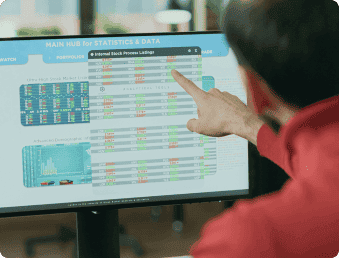
A typical first trade means choosing a pair, deciding whether you expect it to rise (buy/long) or fall (sell/short), setting a trade size, and placing a stop-loss and take-profit level before you confirm the order. Practicing on a demo account first — with real market prices but no real money — is the standard way to get comfortable with an order screen before risking capital.
Leverage lets you control a larger position with a smaller deposit, but it magnifies losses just as much as gains. Most experienced traders risk only a small, fixed percentage of their account on any single trade, always use a stop-loss, and avoid trading sizes they haven't tested on a demo account first. Protecting your capital matters more than any individual trade.
Once you're comfortable with the forex basics, it's worth seeing how other trading styles compare: read our guide on swing trading vs day trading to see how holding periods change the approach, or options trading for beginners if you want to explore calls and puts. When you're ready to put a plan into action, see our trading plans and pricing.


